

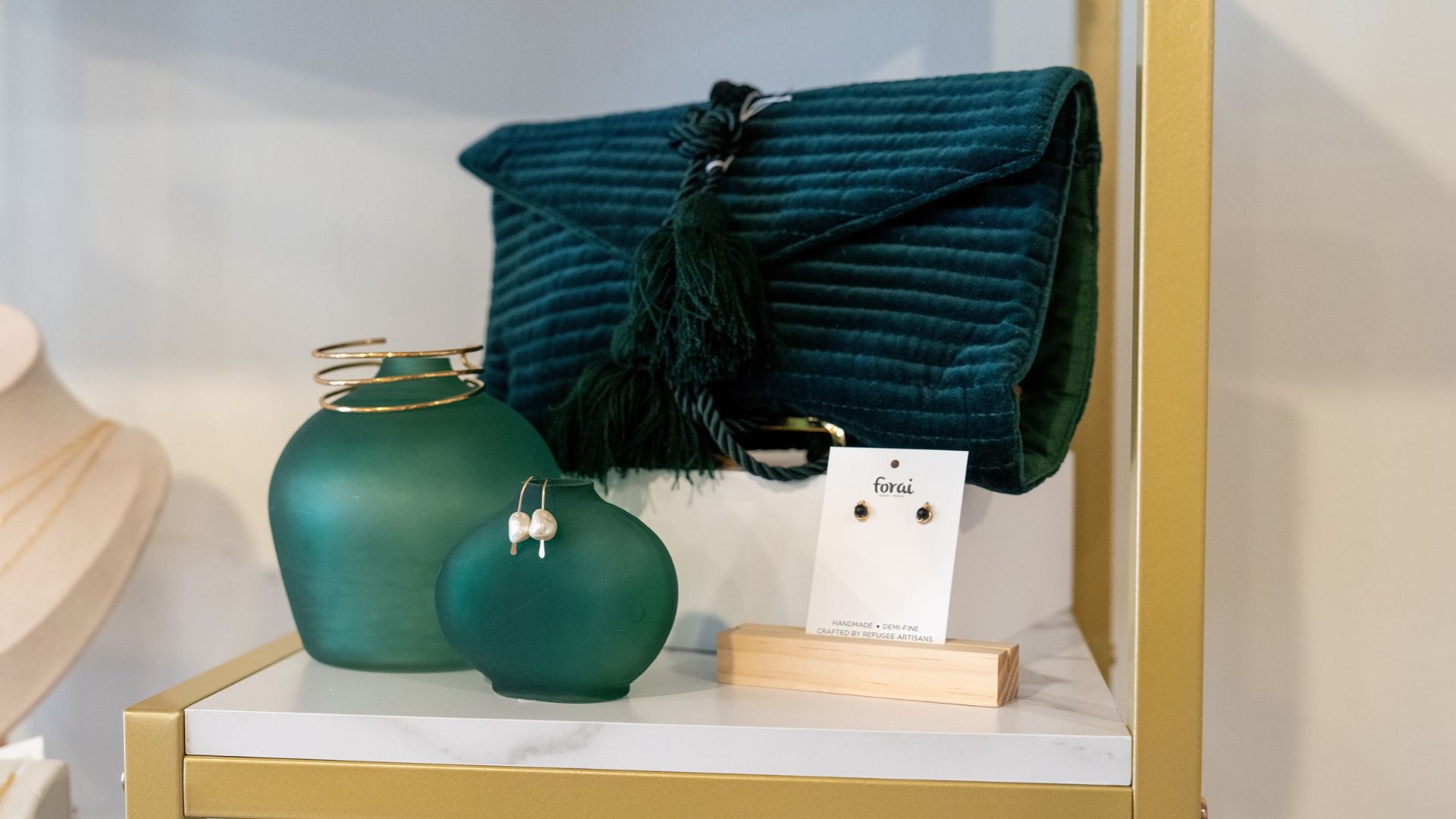
Huggie earrings with dainty jackets. Minimalist hoops with timeless appeal. Delicate gold rings crafted with a signature hand-hammered technique. Necklaces and bracelets adorned with natural stones, including black onyx, pink rhodonite, green malachite and rice pearls.
That’s only the beginning of what shoppers can discover at this St. Louis destination.
At Forai, handcrafted gifts do more than delight. Each purchase helps improve the lives of local refugee and immigrant women, fostering dignity, empowerment and community.
“From our jewelry collections to our whimsical onesies, adorable bibs and baby accessories, every product has a story,” founder Jennifer Owens says. “Here, you know that your shopping is making a difference in someone’s life. You’re literally putting money in the pockets of our women artisans.”
At any given time, Forai employs eight to 12 women who have relocated to St. Louis from around the world. The current jewelry and sewing teams include women from Afghanistan, Syria, Pakistan, China, Myanmar and Madagascar.
“They join the program because of need, and they leave when those needs are met,” Owens explains. “Most of the women involved with Forai have never earned an income; they’ve never worked outside the home. We empower them to learn new skills and find new ways to support their families.”
One former artisan told Owens that Forai gave her renewed confidence. “She felt like her husband was satisfied with their life, but she didn’t want to simply survive; she wanted to thrive in St. Louis.”
Building a new life in the U.S. also means learning English. To help, Forai connects each woman with a personal ESL tutor-friend.
“We say ‘tutor-friend’ because learning English as a second language isn’t the only goal of the lessons,” Owens explains. “We also hope the women develop a friendship that extends beyond Forai. Many women live isolated lives. It’s good for them to form female friendships; it’s good for the soul.”
Twice a month, the artisans gather at the workshop for paid training classes, where English instruction is woven into the experience. “We try to work on English as much as possible,” Owens says. “That’s what they really need to forge a new path.”
As their English skills improve, the women can also pursue advancement: Forai offers three positions to which they can be promoted.
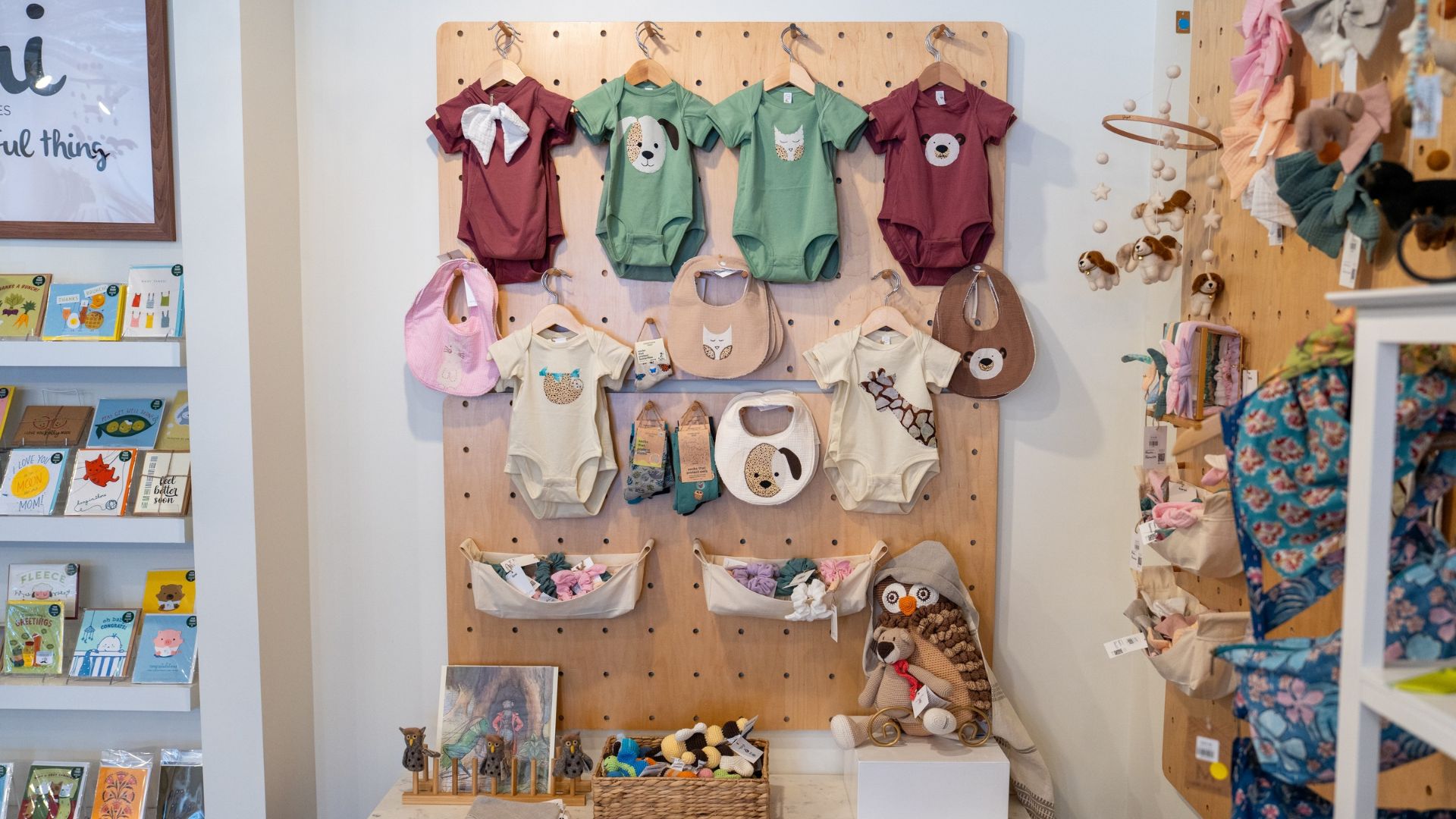
Forai’s dedication to empowering women extends beyond St. Louis. The shop also carries products from brands that share its commitment to creating economic opportunities for women and helping them build better lives.
Based in Nashville, Thistle Farms supports women recovering from addiction and surviving domestic violence. Its self-care line includes lip balms, hand lotions and body scrubs made with essential oils.
Good Paper, a San Francisco-based initiative that provides employment opportunities for women who have escaped sex trafficking, offers greeting cards designed to share messages of love, encouragement and hope.
And Sustainable Threads, a New Jersey-based fair-trade company that partners with craft communities in India, brings hand-woven textiles to Forai’s shelves – think cotton napkins and kitchen towels.
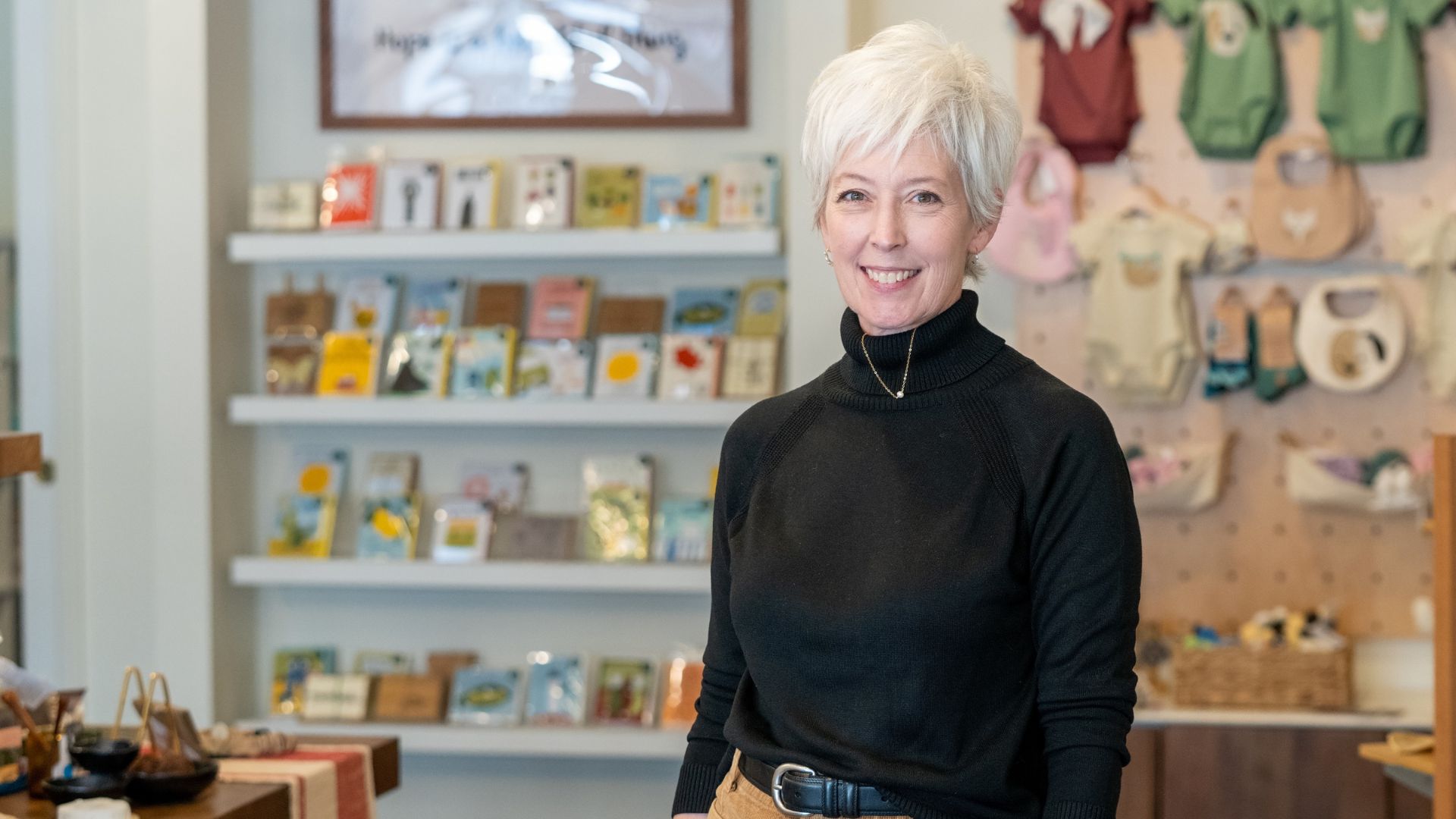
The idea for Forai began with a “yes.”
In 2008, Owens’ church asked if anyone was willing to host newly arrived refugee families. She and her husband volunteered, welcoming two families from refugee camps in Nepal into their home. One was a young couple who spoke English; the other was a single mother with two school-age children who had spent 17 years in a refugee camp. She had a second-grade education and spoke no English.
“When I put myself in her shoes, I decided I had to do something to help women like her,” Owens explains. “The ideas came quickly, but ultimately, it was this idea to bring local refugee and immigrant women together to make handicrafts and sell them that stuck.
“I’m glad I didn’t know anything about business back then,” she continues with a laugh, “because I probably wouldn’t have started Forai. We’ve plowed ahead, though, and we just celebrated our 17th anniversary.”
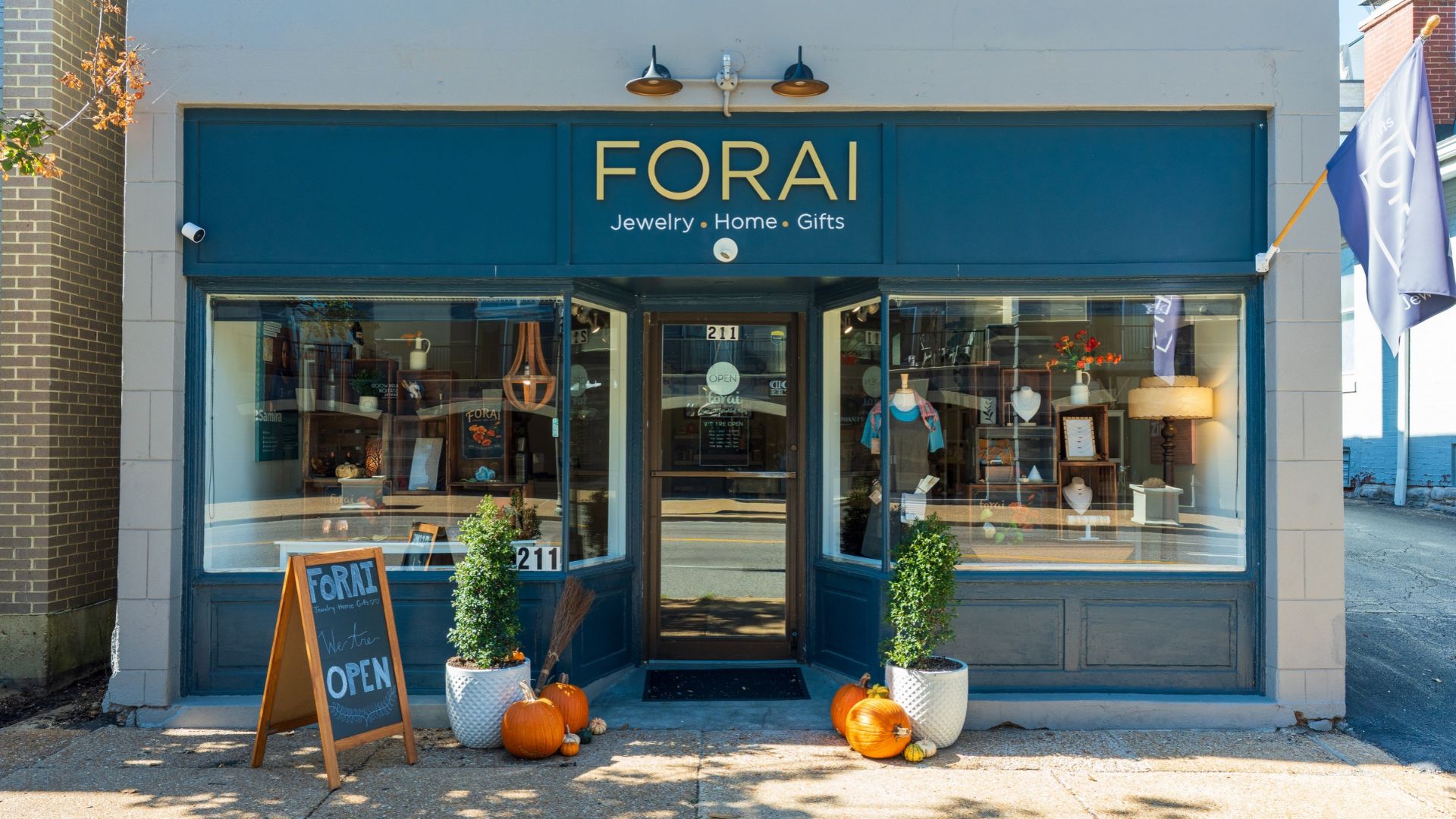
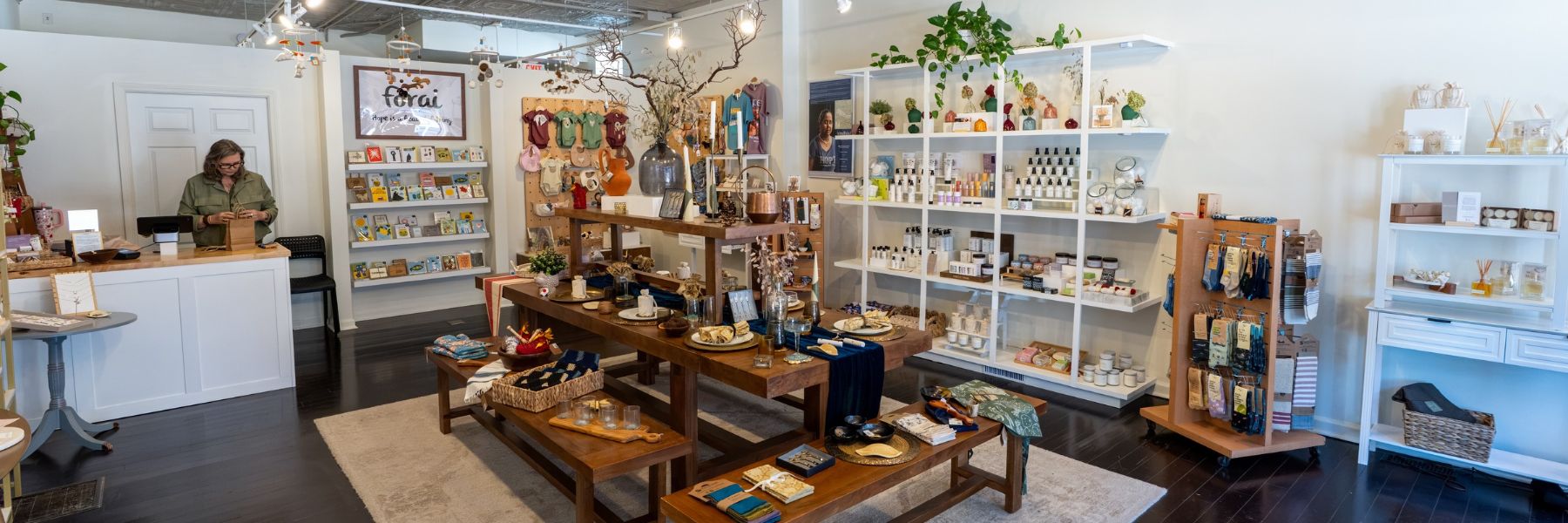
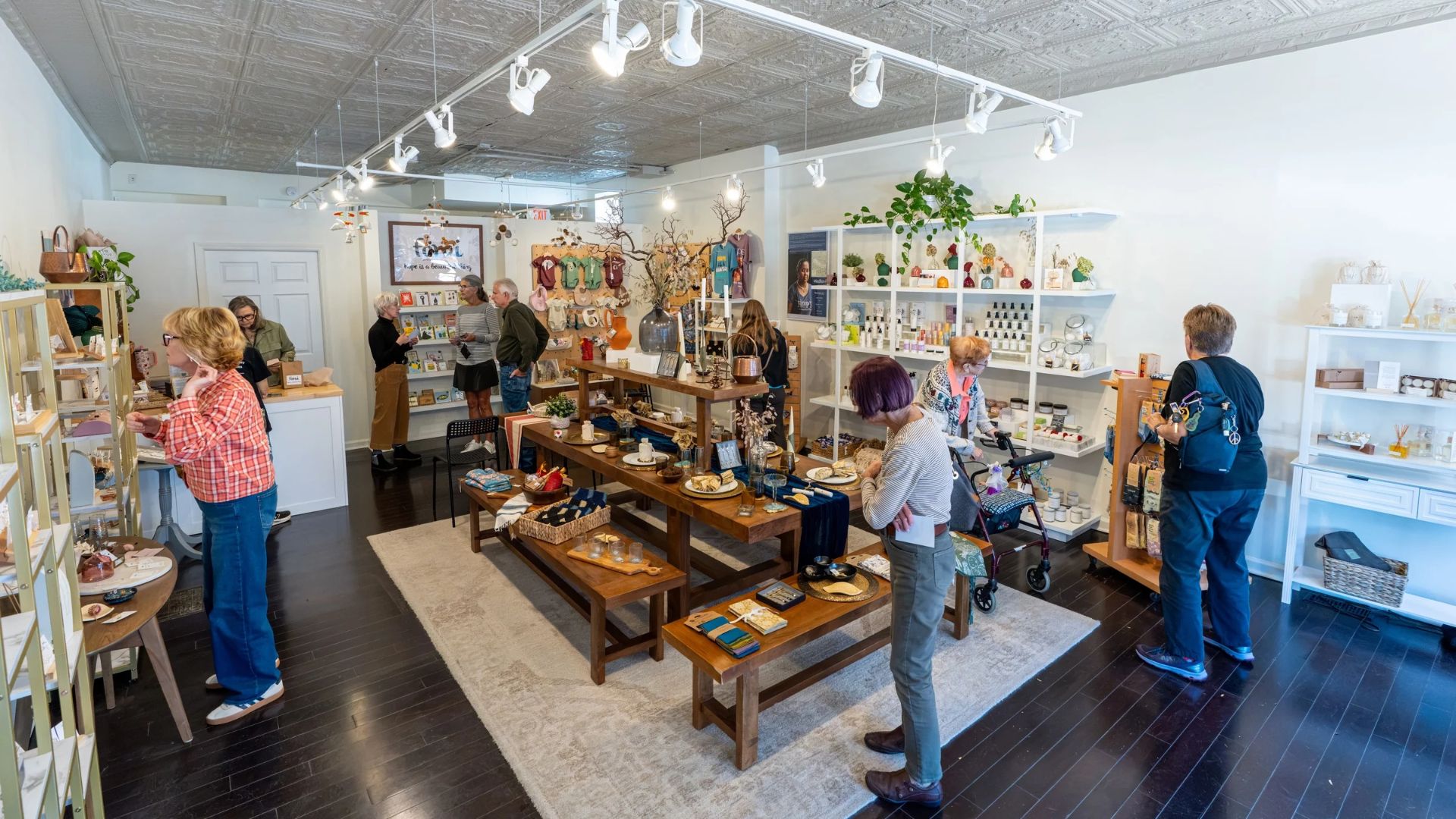
The grassroots effort has since grown into a retail business with an inspiring mission. In 2025, Forai opened a charming storefront in Kirkwood, marking a new chapter in a remarkable journey that began with neighbors – new arrivals and longtime residents – coming together. The shop has already made a measurable difference: During its first year, it helped Owens increase income for her artisans by 38 percent.
“Every decision we make is guided by our goal of increasing income for our artisans,” she says. “We’ve done countless pop-ups over the years, we’ve increased our online presence, but when we looked at the numbers, we realized that a retail store was the only way to significantly impact their work and, subsequently, their lives.”
With its long-standing tradition of supporting independent businesses, Kirkwood was a natural fit for Forai’s stylish boutique. Whether you’re passing through on a Route 66 road trip or spending the weekend exploring all the area has to offer, stop by Forai to discover a meaningful gift with a greater purpose.